I kept forgetting my mom’s pills—this app finally helped me stop failing her
We’ve all been there—juggling work, kids, and life, only to realize we missed something important. For me, it was my mom’s medication. One late night, she called, confused and shaky, because no one reminded her to take her blood pressure pills. That moment hit hard. I felt helpless—until I found a simple app that changed everything. It didn’t just track doses; it brought peace of mind to our whole family. I remember sitting on the couch, phone in hand, heart racing as I tried to calm her down from 30 miles away. I had set an alarm on my phone, sure—but between school pickups, a work deadline, and dinner cleanup, I’d silenced it without thinking. That night, I promised myself: never again. There had to be a better way to care for her, without burning out. And there was.
The Moment Everything Changed
It started with a phone call at 9:47 p.m. My mom’s voice was thin, almost slurred. “I don’t feel right,” she said. “My head is spinning.” I froze. She’d skipped her evening medication—again. This wasn’t the first time, but it was the first time she sounded truly unwell. I rushed over, heart pounding, imagining the worst: a fall, a stroke, an ambulance ride I’d never forgive myself for. Thankfully, she was okay after taking her pills and resting. But that night changed everything. I sat by her side, watching her breathe slowly, and realized how fragile our system was. I loved her deeply, but love alone wasn’t enough. I needed a system that could hold up when I was tired, distracted, or simply overwhelmed.
Like many women in my circle, I’m a caregiver, a worker, a mom, a planner, a fixer. We wear so many hats that the ones that matter most—like remembering a parent’s medication—sometimes slip through the cracks. And when they do, the guilt is crushing. It’s not that we don’t care. We care too much. That’s why we burn out. That night, I made a decision: I would stop relying on my memory and start using tools that could help me show up more consistently. Not because I was failing, but because I wanted to do better. And that’s when I discovered health reminder apps—not as a last resort, but as an act of love.
Why We Forget—And Why It’s Not Our Fault
Let’s be honest: none of us have perfect memories. Our brains aren’t built to track every single detail of a chaotic day. Think about it—how many times have you walked into a room and forgotten why? Or promised to call someone back and completely blanked? That’s not laziness. That’s neuroscience. When we’re stressed, tired, or multitasking, our working memory shrinks. It’s like trying to carry five grocery bags with two hands—something’s going to drop.
For caregivers, the mental load is even heavier. We’re not just remembering our own routines—we’re tracking doctor appointments, medication schedules, dietary restrictions, and emotional needs for others. One friend of mine forgot her son’s allergy shot because she was up all night with her aging father. Another missed her own thyroid pill for three days straight while helping her daughter move into college. These aren’t failures. They’re signs that we’re human, doing our best in a world that demands too much.
And yet, we carry the guilt like it’s our fault. We tell ourselves, “I should’ve known,” or “I could’ve tried harder.” But here’s the truth: forgetting isn’t a moral failing. It’s a design flaw in how we manage care. We’ve been taught to rely on memory, sticky notes, and good intentions. But those tools break under pressure. What we need isn’t more willpower—we need systems that support us, not punish us. A simple app doesn’t replace love or attention. It frees up space in your brain so you can give more of both.
How Health Reminder Apps Work (Without the Tech Jargon)
If you’re imagining something complicated—full of settings, codes, and confusing menus—let me ease your mind. Most health reminder apps are designed for real people, not tech experts. Think of them like a quiet helper who lives in your phone. You tell it what needs to happen—“Mom takes two pills at 8 a.m. and one at bedtime”—and it gently reminds her (or you) when it’s time.
Here’s how it works in real life: you set up a medication schedule once. The app sends a notification—maybe a soft chime, a vibration, or even a voice message you record yourself saying, “Hey Mom, it’s time for your heart pills.” If she takes them, she taps “Done.” If she doesn’t, the app can send a follow-up alert after 15 or 30 minutes. Some apps even let you know—through a shared family view—that she hasn’t logged it yet, so you can give her a call.
But it’s not just about alarms. These apps learn patterns. If your dad usually takes his morning meds at 8:15 but sleeps in on weekends, the app adjusts. If someone misses a dose, it doesn’t just nag—it reschedules and keeps track. And if you’re worried about privacy, most apps let you control exactly who sees what. You don’t need to be a tech whiz. You just need to care—and be willing to try something new.
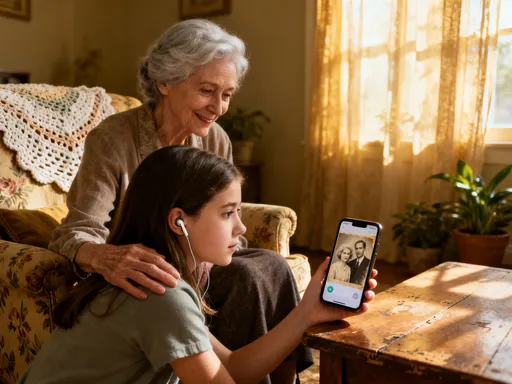
I remember showing my mom how to use it for the first time. She was hesitant. “I don’t want another thing on my phone,” she said. But after I showed her the big buttons, the simple screen, and how she could turn off notifications she didn’t like, she relaxed. “Oh,” she said, “this is like having you in my pocket.” That moment told me everything.
Turning Panic into Peace: A Family’s Real Routine
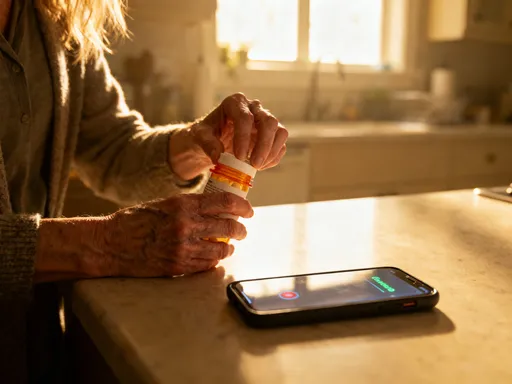
Now, our days flow differently. Mornings start with a soft buzz from her phone. I’m making coffee, my daughter is packing her lunch, and my mom reaches for her pillbox before she even brushes her teeth. “The app told me,” she says, smiling. No nagging. No stress. Just a quiet nudge that keeps her on track.
At noon, she logs her blood pressure. It’s a habit now—she opens the app, enters the numbers, and adds a little heart emoji if it’s good. Last week, she texted me: “120 over 80! The app said I’m on a streak!” I felt tears in my eyes. This wasn’t just data—it was pride, progress, and connection.
In the evenings, my brother gets a notification if she hasn’t logged her meds. He lives three hours away, but he feels involved. “Mom, did you take your pill?” he’ll say on their nightly call. “The app says you haven’t.” She laughs. “Yes, yes, I’m getting to it!” It’s become part of our rhythm—a gentle, shared responsibility instead of a source of tension.
And when life gets busy? The app holds the line. Last month, I traveled for work. Normally, I’d be anxious the whole time, checking my phone every hour. But with the app running, I could relax. I knew she was getting her reminders. I could focus on my meetings, enjoy dinner with colleagues, and still be a good daughter. That’s the kind of peace money can’t buy.
More Than Just Reminders: Building Family Connection
What surprised me most wasn’t the organization—it was the closeness. The app became a bridge between us. My sister, who lives across the country, started leaving little notes in the app: “Love you, Mom! So proud of your streak!” My nephew recorded a silly voice reminder: “Auntie says take your pills or no dessert!” We turned care into something warm, personal, and even fun.
For my mom, it wasn’t just about medicine. It was about feeling loved and supported. She’d show me her phone: “Look, three weeks in a row! Everyone’s cheering for me.” That sense of being seen, of being part of a team—that’s what kept her going on hard days.
And for us? It eased the guilt. We weren’t perfect. But we were present. The app didn’t replace our love—it amplified it. It gave us a shared language for care. Instead of arguing about whether she took her pills, we celebrated together. Instead of me feeling like the “nagging daughter,” I became the one who helped her feel independent and strong.
Technology can’t hug you. It can’t hold your hand. But it can create space for those things to happen more often. It can reduce the noise so you can hear the love underneath. And in a world where we’re all stretched thin, that’s a gift.
Getting Started Without the Overwhelm
If you’re thinking about trying this, I get it—starting anything new feels hard. You might worry about your parent resisting, or the app being too complicated, or setting it up wrong. Let me tell you: start small. That’s the secret.
First, pick one thing. Just one. Maybe it’s a morning vitamin, or a blood pressure check, or one medication. Don’t try to track everything at once. Open the app together—make it a moment, not a chore. Sit on the couch, have a cup of tea, and walk through it step by step. Let them choose the alert sound, the color theme, the reminder message. When people feel in control, they’re more likely to stick with it.
Choose an app with a simple design. Look for big buttons, clear labels, and easy navigation. Many apps offer a “family view” so you can see progress without invading privacy. And if they forget to log a dose? Don’t scold. Celebrate the ones they *did* remember. “You got three out of four this week—that’s amazing!”
And be patient. It might take a few days, even a few weeks, for it to feel natural. That’s okay. Progress isn’t perfection. My mom didn’t use the app every day at first. But slowly, it became part of her routine—like brushing her teeth or checking the weather. And now? She’d miss it if it were gone.
A Future Where Care Feels Lighter
Looking back, I see that night not as a failure, but as a turning point. It led me to a tool that didn’t just help my mom—it helped our whole family breathe easier. Fewer emergency calls. Less anxiety. More moments of real connection.
I used to think being a good daughter meant remembering everything, doing everything, carrying it all. Now I know it means using every resource I have to love her well. That includes technology. It includes asking for help. It includes letting go of guilt and embracing support.
Imagine a future where no one has to choose between their job, their kids, and their parent’s health. Where care doesn’t mean constant worry, but quiet confidence. Where a simple notification can prevent a crisis. That future isn’t far away—it’s already here, in the palm of our hands.
You don’t have to be perfect. You don’t have to do it all alone. You just have to be willing to try. Start with one reminder. One pill. One small step. Because love isn’t measured by how much you carry—it’s measured by how well you show up. And sometimes, showing up means using a little help to do it better.