It’s Not Just Another Meeting Tool: How Online Platforms Helped Me Build Real Friendships
We’ve all been there—staring at a grid of faces on a screen, half-listening during another forgettable virtual meeting. But what if those same platforms we use for work could actually help us feel less alone? I never thought a video call could lead to a real connection—until it did. This isn’t about productivity hacks or perfect lighting. It’s about how showing up consistently online quietly opened the door to meaningful friendships I didn’t know I needed. At first, I saw Zoom and Google Meet as necessary evils—digital chores that blurred the line between home and office. But over time, something unexpected happened. These tools became bridges to people who now feel like family. And honestly? I didn’t see it coming.
The Loneliness Behind the Screen
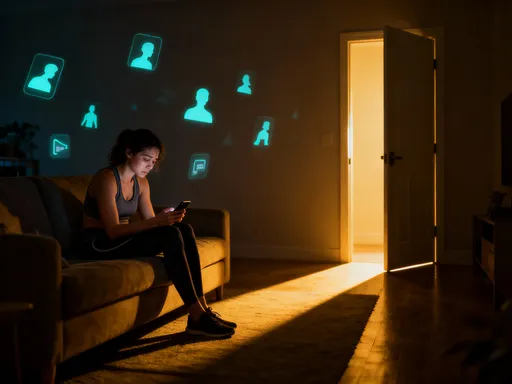
Remember that moment when you log in five minutes early, camera off, sipping lukewarm coffee while waiting for the meeting to start? You glance at the empty boxes on your screen and wonder if anyone else feels this strange mix of being constantly connected yet deeply isolated. I certainly did. For months during the early days of remote work, I moved from one call to the next without ever feeling seen. My interactions were polite, efficient, and completely forgettable. I’d mute myself, nod along, and disappear when the timer hit zero. It felt like I was floating through digital space—present, but not really there.
But here’s the irony: we’re more ‘connected’ than ever, yet loneliness has quietly become one of the biggest challenges of modern life—especially for women in midlife. Between managing households, caring for aging parents, supporting kids through transitions, and sometimes feeling invisible at work, it’s easy to lose touch with ourselves, let alone others. I didn’t realize how much I missed simple companionship until I heard a colleague laugh—a real, unscripted laugh—during a delayed meeting. It startled me. Not because it was funny, but because it felt human. In that moment, I remembered what connection sounded like. And I started paying attention.
What I began to notice was this: even in formal work settings, tiny cracks of authenticity kept appearing. Someone’s dog barked in the background. A child wandered into frame asking for a snack. A team member admitted they were having a rough morning. These weren’t disruptions—they were invitations. Little glimpses into real lives. And slowly, I realized that the platforms we thought were just for getting work done were actually becoming our new town squares, our digital porches, our modern watercoolers. The tools weren’t the problem. My mindset was.
From Coworkers to Conversations That Matter
It started small. During one team call, the host couldn’t share their screen. While we waited, someone joked, ‘Did anyone else forget it was daylight saving this weekend?’ That one question sparked a five-minute conversation about sleep schedules, groggy mornings, and how hard it is to adjust. No agenda. No minutes taken. Just people being real. And something shifted. After that, I noticed us lingering a little longer after meetings. We’d talk about what we cooked for dinner, a new walking trail we’d found, or how hard it was to get motivated on rainy days.
What made these moments different was the repetition. Seeing the same faces week after week—even through a screen—built a quiet familiarity. I started recognizing Sarah’s bright blue mug, James’s quiet sense of humor, and Maria’s tendency to join from her sunroom with the plants in the background. These weren’t just coworkers anymore. They were people with lives, rhythms, and stories. And the more I paid attention, the more I felt like I belonged.
Unlike those awkward networking events where you’re supposed to ‘sell yourself,’ these online spaces felt safer. No pressure to impress. No need to perform. We showed up in sweatshirts, with messy buns and imperfect lighting. And somehow, that made us more relatable. I remember the first time someone said, ‘I’m not okay today,’ during a check-in. The room went quiet. Then, one by one, others nodded. ‘Same,’ someone said. ‘Me too.’ That moment didn’t solve anything, but it created space for honesty. And in that space, real connection began to grow.
Designing Habits That Invite Connection
I’ll admit, I didn’t plan any of this. But I did make one small change: I stopped leaving meetings the second they ended. Instead, I stayed on for just two extra minutes. Just long enough to say, ‘Great talking, see you next week,’ or ‘Hope your weekend is relaxing.’ At first, it felt awkward. Like I was overstaying my welcome. But then, others started doing it too. We weren’t extending the agenda—we were extending care.
That tiny habit opened a door. I began turning my camera on more often, even when I didn’t have to. Not because I looked perfect, but because I wanted to be seen. I started using people’s names when I spoke to them. ‘That’s a great point, Lisa.’ ‘Thanks for sharing that, David.’ These small acts weren’t grand gestures. But they sent a message: I see you. I’m listening. You matter.
What I learned is that connection thrives on consistency. The same weekly team call, the same platform, the same corner of my living room—I showed up in the same way, week after week. That predictability built trust. People knew they could count on me being there, not just for the updates, but for the moments in between. And over time, that reliability became the foundation of friendship. It wasn’t about being charismatic or funny. It was about being present. And that, I realized, was more powerful than any icebreaker question.
The Unexpected Social Spaces Hiding in Plain Sight
One day, I got an email from our HR team: ‘Virtual Coffee Chat—Join if you’d like to connect outside of work topics.’ I almost deleted it. ‘Another meeting?’ I thought. But something made me click. That one-hour call had no agenda. No slides. Just eight of us talking about books, local parks, and whether pineapple belongs on pizza. (Spoiler: half of us said yes, half said no. We survived.) I left that call smiling. For the first time in months, I didn’t feel like an employee. I felt like a person.
From there, more opportunities appeared. A virtual book club started by a colleague. A weekly trivia game for anyone who wanted to join. A ‘walk and talk’ meeting option where we’d call while strolling our neighborhoods. These weren’t mandatory. No one was grading participation. But they attracted the same kind of people—those who craved real conversation, not just task completion.
What made these gatherings special was how low-pressure they felt. You could join from your couch in pajamas. You could mute yourself if a delivery person rang the doorbell. You didn’t have to worry about what to wear or how to style your hair. The screen became a gentle buffer—close enough to connect, far enough to feel safe. For introverted women, especially, this was revolutionary. We could participate at our own pace, in our own space. And many of us did. These side-door connections didn’t replace in-person gatherings—they prepared us for them.
Building Friendships Without Forcing It
Here’s what no one tells you: real friendship can’t be scheduled. You can’t force a bond by saying, ‘Let’s be friends now.’ But you can create the conditions where friendship has room to grow. And that’s exactly what consistent online presence did for me. It wasn’t one big moment. It was a thousand tiny ones—laughing at the same meme during a presentation, commiserating over a slow internet connection, sharing a favorite tea brand in the chat box.
One afternoon, during a technical glitch, our screen froze on a colleague’s face mid-sneeze. We all burst out laughing. That image became an inside joke. Months later, someone sent it in a group message just to say ‘good morning.’ That’s when I realized: we weren’t just coworkers. We were becoming a community. And the best part? It didn’t feel forced. There was no pressure to ‘keep up’ or ‘make plans.’ The relationship grew naturally, like a plant getting just enough sunlight and water over time.
Because these connections were rooted in real contexts—work, volunteering, learning—they felt more authentic than swiping through a dating app or joining a random social group. We already knew each other’s values, work ethic, and sense of humor. We’d seen each other handle stress, celebrate wins, and show up on tough days. That shared history created trust. And trust, I’ve learned, is the quiet engine of friendship.
When the Screen Fades, the Connection Stays
Last spring, three of us from the virtual book club decided to meet in person. We chose a quiet café on a Saturday morning. I remember walking in, scanning the room, and feeling a flutter of nerves. What if it didn’t feel the same? What if we had nothing to talk about without the screen as a buffer? But within minutes, it felt like we’d known each other for years. We talked about books, yes—but also about parenting, aging, dreams we’d put on hold. We laughed about the time someone’s cat jumped on their keyboard during a presentation. We even planned a weekend getaway.
That meeting wasn’t the beginning—it was a continuation. The foundation had already been built, one video call at a time. The digital space had given us time to get to know each other slowly, without pressure. It had allowed us to see each other’s lives unfold in real time—new haircuts, family members in the background, seasonal decorations changing behind us. By the time we met face to face, we weren’t strangers. We were friends who finally got to hug.
Since then, more offline moments have followed—park walks, shared meals, even a group trip to a lakeside cabin. But I don’t take the online space for granted. It’s still where we check in, share updates, and support each other when life gets hard. The screen didn’t replace real life. It prepared us for it. It gave us the courage to reach out, the familiarity to feel safe, and the rhythm to stay connected.
Reimagining Technology as a Bridge, Not a Barrier
Looking back, I realize I used to see technology as the thing that kept me from real connection. I blamed my phone for distracting me, my email for stealing my time, my camera for making me self-conscious. But the truth is, the tools themselves aren’t the issue. It’s how we use them. When I started showing up online with intention—not just to complete tasks, but to see and be seen—everything changed.
These platforms aren’t just for efficiency. They’ve become part of our social infrastructure. In a world where community doesn’t form as easily as it once did—where we no longer bump into neighbors at the general store or see the same faces at church every week—digital spaces offer a new way to belong. And for women juggling so many roles, that sense of belonging isn’t a luxury. It’s a lifeline.
The most meaningful friendships I’ve built didn’t come from grand gestures. They came from staying on the call two minutes longer. From turning on my camera even when I didn’t feel like it. From saying, ‘How are you, really?’ and meaning it. These small acts, repeated over time, created something lasting. And the best part? Anyone can do it. You don’t need a big personality or a perfect setup. You just need to show up—with your real self, your messy hair, your imperfect life—and let the connection grow at its own pace.
So the next time you’re on a virtual call, take a breath. Look around the grid of faces. Behind each one is a story, a struggle, a hope. And maybe, just maybe, a future friend. Because the most powerful feature of any online platform isn’t the video quality or the screen share. It’s the quiet possibility of connection. And that’s something worth logging in for.