What If Your Phone Could Help You Reclaim Your Time—And Your Life?
We’ve all been there—scrolling mindlessly, jumping between apps, and wondering where the day went. You’re not lazy; you’re just caught in the digital current. But what if your phone, the very thing distracting you, could become your ally? Not with complicated tools, but simple, everyday changes that reshape how you live, work, and connect. This isn’t about willpower—it’s about working *with* your tech, not against it. Imagine opening your phone and actually feeling calmer, more in control, more present. That’s not a fantasy. It’s possible. And it starts with seeing your device not as the problem, but as a partner in creating the life you want—one where you’re not just reacting to pings, but living with purpose.
The Hidden Cost of Constant Connection
Let’s be honest—how often do you reach for your phone without even thinking? It’s not just when you’re bored. It’s during the quiet moment after dropping the kids at school. It’s while waiting for the coffee to brew. It’s the instant your partner starts talking about their day. That little device has woven itself into the fabric of your daily rhythm, so much so that silence feels uncomfortable, and stillness feels like wasted time. But here’s the truth: every time you pick up your phone out of habit, you’re trading a piece of your attention—your presence—for something that rarely matters in the long run.
I remember one evening, my youngest was telling me about her drawing—a rainbow cat with wings—and halfway through, my phone buzzed. Just a quick glance, I told myself. But that ‘quick glance’ turned into five minutes of emails, then a news headline, then a social media scroll. When I finally looked up, she had quietly put her paper away. “You weren’t listening,” she said softly. My heart sank. That moment wasn’t about missing a drawing—it was about missing *her*. And that’s the hidden cost of constant connection: not lost minutes, but lost moments. The kind you can’t get back.
It’s not just family time that pays the price. Think about your energy. How do you feel after an hour of deep reading versus an hour of app-hopping? One leaves you refreshed, the other drained. That’s because fragmented attention is exhausting. Every time you switch tasks, your brain has to reorient itself. It’s like revving a car engine over and over instead of letting it run smoothly. Over time, this constant switching wears you down, making it harder to focus, harder to relax, and harder to enjoy the things you love. And the worst part? Most of it happens below the surface. You don’t even realize how much your phone is shaping your days until you pause and look.
But here’s the good news: awareness is the first step. Once you see the pattern, you can change it. And the tools to help you aren’t hidden in some tech manual—they’re already in your pocket. You just need to know how to use them in a way that serves *you*, not the apps.
From Overwhelm to Awareness: Seeing Your Screen Time Clearly
Before you can change a habit, you have to see it for what it really is. And when it comes to phone use, we’re often terrible at guessing. You might think you’re only on your phone for 30 minutes a day—until you check the actual numbers. That’s where built-in tools like Screen Time on iPhone or Digital Wellbeing on Android come in. They’re not there to scold you. Think of them more like a mirror—quiet, honest, and a little revealing.
Let me tell you what happened when I first checked my Screen Time. I was sure I was doing okay. I don’t scroll for hours, I told myself. But the report showed 3 hours and 42 minutes—*every single day*. And most of it was spent on just two apps. I felt a mix of shock and relief. Shock because, wow, that’s a lot. Relief because now I *knew*. Knowledge is power, right? Once I saw the truth, I could make real choices instead of guessing.
Here’s how to start: On an iPhone, go to Settings, then Screen Time. On Android, open Settings and look for Digital Wellbeing. Both will show you how much time you’re spending, which apps are the biggest draws, and even when you’re picking up your phone the most. Pay attention to the ‘Pickups’ number—that’s how many times you unlock your phone each day. If it’s over 50, you’re not alone. Many of us are checking our phones without even realizing it—like a reflex.
But here’s the deeper layer: look for patterns. Do you spike in usage at 9 PM? That might be stress-scrolling after a long day. Do you open certain apps the moment you wake up? That’s a habit loop. The goal isn’t to feel guilty. It’s to understand. Maybe you’re using your phone to avoid a hard conversation, to fill silence, or to escape overwhelm. Naming the trigger is half the battle. Once you see that your late-night scrolling is really about unwinding, you can find better ways to do it—like reading a book, listening to music, or just sitting with a cup of tea.
Try this: spend one week just observing. Don’t change anything yet. Just notice. When do you reach for your phone? How do you feel before and after? This isn’t about judgment. It’s about gathering data—your personal digital footprint. And once you have that, you’re ready to make changes that actually stick.
Rethinking Notifications: Taking Back Control of Your Attention
If your phone were a person, it would be the one who interrupts every conversation, taps you on the shoulder during dinner, and shouts your name in the middle of a thought. That’s what notifications do—they pull you out of the present moment, over and over. And each time, it takes effort to come back. But here’s the thing: you don’t have to accept every alert. In fact, most of them aren’t worth your attention.
Let’s talk about what really happens when your phone buzzes. Your brain releases a tiny hit of dopamine—the same chemical linked to pleasure and reward. That’s why it feels good to check, even if what you find is meaningless. But over time, this constant drip of alerts trains your brain to crave distraction. You start to feel anxious when it’s quiet. You wonder, ‘Did I miss something?’ That’s not peace. That’s addiction by design.
The fix? Take back control, one notification at a time. Start by asking: ‘Does this alert truly matter?’ Think about the apps that ping you the most. Is it the news app updating you on a story you’ll forget by tomorrow? Is it a social media app letting you know someone liked your post? Be honest—how many of these are essential?
Here’s what I did: I turned off notifications for everything except messages, calls, and my calendar. That’s it. No more app badges, no more banners for sales or updates. It felt strange at first—like I was missing out. But within days, I noticed something amazing: I was calmer. I could sit with my thoughts. I wasn’t jumping every time my phone lit up. And the best part? The world didn’t end. Nothing urgent slipped through.
You can also use smart features like Focus Modes (iPhone) or Do Not Disturb (Android) to protect your time. Set a ‘Family Time’ focus that silences work emails after 6 PM. Create a ‘Reading Hour’ that turns off all alerts except for close contacts. These aren’t restrictions—they’re boundaries. And every boundary you set is a gift to your attention, your peace, and your relationships.
Try this tonight: go through your notifications settings. For each app, ask, ‘Would I miss this if I didn’t see it right away?’ If the answer is no, turn it off. You’ll be surprised how freeing it feels to stop being on call 24/7.
Designing a Calmer Home Screen: Your Phone’s First Impression Matters
Imagine walking into a room that’s cluttered, noisy, and overwhelming. How would you feel? Stressed? Distracted? That’s exactly what many of us do every time we unlock our phones. Our home screens are packed with bright icons, red badges, and endless temptations. No wonder we end up scrolling when we just wanted to check the time.
Your home screen isn’t neutral—it shapes your behavior. If social media apps are front and center, you’re more likely to open them. If your camera or notes app is buried under five folders, you’re less likely to use them. The good news? You can redesign your screen to support the life you want, not the habits you’re stuck in.
Here’s a simple rule: make the things you *want* to do easier, and the things you *don’t* want to do harder. Start by removing the most distracting apps from your home screen. Yes, really. Move Instagram, TikTok, or Facebook into a folder—maybe even name it ‘Time Sinks’ as a little reminder. Don’t delete them if you’re not ready. Just hide them. Out of sight, out of mind.
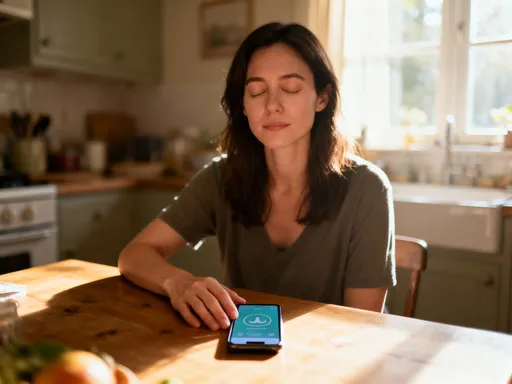
Now, fill that space with tools that serve you. Put your calendar front and center. Add a shortcut to your notes app. Pin a meditation app or a water tracker if those are goals for you. I even added a ‘Gratitude’ note that I open every morning. These small changes shift your phone from a source of distraction to a support system.
Another trick: go grayscale. This sounds odd, but it works. When your screen is black and white, it becomes less stimulating. Bright colors are designed to grab your attention—remove them, and the pull weakens. On iPhone, go to Settings > Accessibility > Display & Text Size > Color Filters. On Android, look for ‘Grayscale’ in the Digital Wellbeing settings. Try it for a day. You’ll notice how much less enticing your apps feel.
And please, for the love of peace, turn off widgets that show unread counts. That little red number? It’s not helpful—it’s a guilt trip. You don’t need to be reminded every time you have a new email. You’ll check when you’re ready. A calm home screen isn’t about looks—it’s about creating a digital environment where you can breathe.
Scheduling Life, Not Just Tasks: How Calendar Apps Can Protect Your Time
We use calendars to track meetings, school events, and doctor appointments. But how often do we schedule the things that *really* matter—like time for ourselves, for connection, for rest? If it’s not on the calendar, it’s easy to let it slip. But your well-being isn’t optional. It’s essential. And your phone can help you treat it that way.
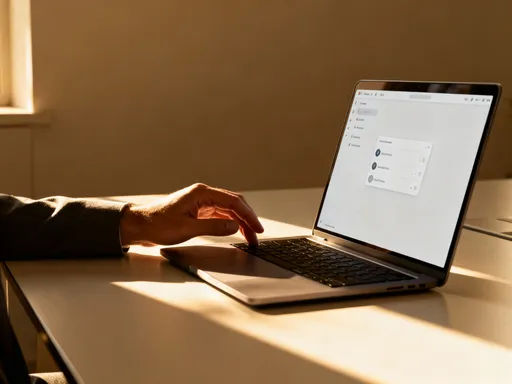
Here’s a shift in mindset: your calendar isn’t just for work. It’s for *life*. So start blocking time for the things that fill your cup. Every Sunday, I schedule three non-negotiables: one hour for reading, 30 minutes for journaling, and a family walk on Saturday morning. These aren’t suggestions. They’re appointments—with myself and my people.
When you put something on the calendar, it gains weight. It becomes real. Instead of saying, ‘I’ll try to exercise,’ you’re saying, ‘I *am* exercising at 7 AM.’ That small shift changes everything. And the best part? Your phone will remind you. No more forgetting. No more guilt.
You can also use color-coding to make your priorities visible. I use blue for work, green for family, yellow for self-care, and red for health. At a glance, I can see if my week is balanced. If I see too much blue, I know I need to protect more green and yellow time. It’s a visual reminder that life isn’t just about productivity—it’s about presence.
And don’t forget shared calendars. If you’re a parent, share a family calendar with your partner. Add bedtime routines, meal prep times, even ‘quiet hour’ blocks. When everyone can see the plan, there’s less chaos, fewer arguments, and more harmony. Your phone becomes a tool for connection, not conflict.
The goal isn’t to over-schedule. It’s to honor what matters. Because if you don’t make time for the things that sustain you, no one else will. And your calendar? It’s the quiet promise you make to yourself—to show up, not just for others, but for your own joy.
Tech That Supports Family Routines—Without the Conflict
If you’ve ever battled with your kids over screen time, you’re not alone. It’s one of the biggest sources of tension in modern homes. But what if technology could help—instead of hurt? The key isn’t punishment or power struggles. It’s about using built-in tools to create routines that work for everyone.
Start with bedtime. Most of us know screens before bed disrupt sleep, but it’s hard to enforce. That’s where Screen Time’s Downtime (iPhone) or Wind Down mode (Android) can help. Set a time—say, 8:30 PM—when games, social media, and videos automatically turn off. Leave only essentials like music or reading apps. You can even pair it with a calming playlist or a family ritual, like tea and conversation. The phone isn’t the enemy; it’s the gatekeeper of rest.
For younger kids, use Family Sharing or Family Link to set daily limits and content filters. But here’s the important part: talk to them about it. Explain *why* you’re setting boundaries—not to control them, but to protect their sleep, their focus, their childhood. When kids understand the reason, they’re more likely to cooperate. One mom I know calls it ‘phone bedtime’—just like their own. It’s gentle, consistent, and respectful.
Shared calendars, as mentioned, are gold. But go a step further: create a ‘Family Dashboard’ on a tablet or smart display. Show the day’s schedule, weather, and a rotating photo of happy memories. It becomes a hub of connection, not distraction. And for chores? Use a shared to-do list app. When your teen marks ‘dishes done,’ you get a quiet notification—no nagging needed.
The goal isn’t a tech-free home. It’s a tech-*wise* home. One where devices support your values—family, rest, balance—instead of pulling you apart. And when you use tech this way, it stops being a battleground and starts being a bridge.
Small Changes, Big Shifts: Building a Life That Feels More Aligned
Let’s be real—no one becomes perfectly present overnight. There will be days when you fall back into old habits. You’ll catch yourself scrolling in bed or answering work emails during dinner. And that’s okay. This isn’t about perfection. It’s about progress. It’s about making *slightly* better choices, more often.
The changes we’ve talked about—auditing notifications, calming your home screen, protecting your time—are small. But together, they create a new rhythm. One where you’re not constantly reacting, but responding with intention. Where your phone serves you, not the other way around. And over time, that adds up to something powerful: a life that feels more like *yours*.
I’ll never forget the first evening after I turned off most of my notifications. My daughter came to me with her drawing again. This time, I looked up right away. I saw the rainbow cat. I asked about the wings. We laughed. And in that moment, I realized something: the best parts of life don’t come with alerts. They come in quiet, unplanned, beautiful seconds—and they’re only yours if you’re present to see them.
So start small. Pick one thing. Turn off one notification. Move one app. Block one hour on your calendar. See how it feels. Adjust. Try again. You don’t have to do it all at once. You just have to begin.
Because the truth is, your phone can either steal your time—or help you reclaim it. The choice is yours. And every small change you make is a step toward a life that’s not just busy, but meaningful. Not just connected, but truly present. And that? That’s the kind of tech upgrade that changes everything.