I kept fumbling for the lights in the dark: This smart wall switch finally made my home feel like home
How many times have you walked into a room, arms full, only to awkwardly bump into the wall trying to find the light switch? I did it for years—until I stopped fighting my home and started letting it help me. What if the walls around you didn’t just hold up the roof, but actually responded to your life? This isn’t about flashy gadgets; it’s about small, meaningful changes that make daily moments easier, calmer, and more connected. It’s not magic, but sometimes, it sure feels like it.
The Annoying Little Things That Make Home Feel Just Slightly Off
We’ve all had those moments—reaching for a switch and missing, turning on the wrong light, or getting out of bed just to check if the hallway light is off. These tiny frustrations pile up in quiet ways. I used to think this was just part of living in a ‘regular’ home. But over time, I realized these weren’t quirks of life—they were signs that my home wasn’t really working with me. It was time to stop adjusting to my house and start letting it adjust to me.
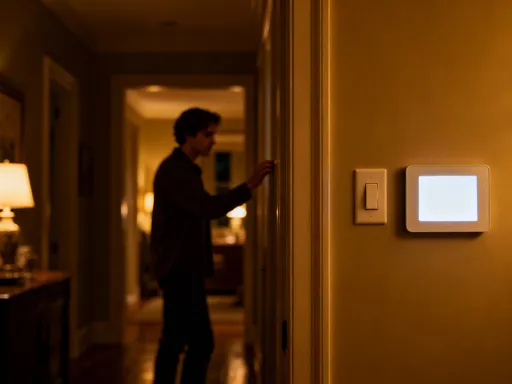
Think about it: how often do you walk into the kitchen at night, half-awake, trying not to wake anyone, only to fumble around like you’re playing a game of wall tag? Or come home with groceries, your arms stacked high, and end up elbow-pressing the wall, hoping you hit the right spot? These aren’t dramatic problems, but they chip away at that peaceful feeling we all want in our homes. I remember one night, I was carrying a sleeping baby and a bag of diapers, and I just stood there in the dark, whispering, ‘Where is the stupid switch?’ That moment stuck with me. It wasn’t the baby or the late hour that stressed me—it was the fact that my own house wasn’t helping me. And that’s when I started wondering: what if it could?
Our homes should be sanctuaries, not obstacle courses. They should make life smoother, not add little hurdles to our routines. The truth is, most of us live in houses built decades ago, with technology that hasn’t changed since we were kids. We’ve upgraded our phones, our cars, even our coffee makers—but our light switches? Still the same little toggle from the 1950s. That disconnect started to feel more and more obvious. I wasn’t asking for a robot butler, just a little help from the walls I live in. And that’s when I discovered smart wall controls—not as a luxury, but as a quiet revolution in everyday comfort.
Discovering Smart Wall Controls: More Than Just a Fancy Light Switch
It started with a simple upgrade: replacing an old wall switch with a smart one. I didn’t expect much—just remote control from my phone, maybe voice commands. But what surprised me was how natural it felt. Flipping the light with my voice while cooking, dimming the lights with a tap on my tablet, or setting a routine so the lights gently come on at sunset. It wasn’t about tech—it was about flow. The kind of flow that makes you forget something’s ‘smart’ because it just works the way you want it to.
I remember the first time I said, ‘Hey, turn on the kitchen lights,’ and they actually came on. I laughed out loud. It wasn’t just convenient—it felt like my home was finally listening. And the best part? I didn’t have to change my habits. I could still use the switch on the wall like normal. But now, I also had options. If my hands were messy from chopping onions, I didn’t have to wipe them on a towel just to turn on a light. If I was curled up on the couch with a book, I could dim the overhead light without getting up. It wasn’t about replacing the old way—it was about adding a better one.
And it’s not just about lights. Some smart wall switches let you control fans, plugs, even window shades. I started small, with just the living room, but once I saw how much easier it made things, I couldn’t stop. The real magic wasn’t in the features—it was in the feeling. Like my home had grown a little more thoughtful, a little more tuned in to the rhythm of my days. It wasn’t flashy or loud. It was quiet, consistent help—exactly what a good home should be.
Making Life Easier for Everyone in the House
One of the most beautiful surprises was how much it helped everyone else in my home. My mom visits often, and she has trouble with small switches—her hands aren’t as steady as they used to be. Before, she’d often ask, ‘Where’s the light?’ or fumble with the toggle. Now, she just says, ‘Lights on,’ and they come on. She calls it ‘the magic wall,’ and honestly, I don’t correct her. Watching her feel more independent and confident in my home meant more than any tech feature ever could.
And then there’s my nephew, who runs in and out of the house like it’s his personal playground. He’d leave lights on everywhere—kitchen, bathroom, front porch—because he’d forget, or just not care. I used to spend half my evening chasing him around, turning things off. Now, I set up automatic schedules. The porch light turns off at 10 p.m. The kitchen lights dim and shut off an hour after dinner. No nagging, no reminders. Just quiet automation that keeps things running smoothly.
Even my partner, who was skeptical at first—‘Do we really need smart switches?’—now uses them without thinking. He’ll say, ‘Set the mood,’ and the living room lights drop to a warm glow. Or he’ll use the app to turn off all the lights before bed, instead of walking through the house like a night watchman. It’s become so normal that we don’t even talk about it anymore. That’s the sign of good tech: when it fades into the background and just makes life better. It’s not about impressing anyone. It’s about creating a home where everyone feels comfortable, supported, and a little more at ease.
Safety and Peace of Mind, Hidden in Plain Sight
One night, I lay in bed wondering if I’d left the kitchen light on. Then I remembered—my smart switch shows real-time status. A quick check on my phone, and I could turn it off with a tap. Even better: motion-based automation means lights turn off automatically when no one’s around. It’s not just convenience—it’s the quiet relief of knowing your home is looking out for you.
As a mom, I worry about little things. Did I unplug the iron? Is the back door locked? Is the stove off? But with smart wall switches, I’ve added a layer of peace that’s hard to put into words. I can check the status of any light from my phone, no matter where I am. If I’m at the park and suddenly remember the bathroom light has been on all day, I can turn it off with one tap. No driving back, no stress. Just instant control.
And it’s not just about saving energy—though that’s a nice bonus. It’s about safety. For example, I set up motion-triggered lights in the hallway and stairs. If someone gets up in the middle of the night, the lights come on softly, just enough to see the path. No more stubbed toes or scary stumbles. My daughter loves it—she says it’s like the house is giving her a nightlight hug. And during storms, when the power flickers, I can turn lights on remotely to make it look like someone’s home. It’s not paranoia—it’s protection, subtle and smart.
What I didn’t expect was how much this would reduce my mental load. So much of being a homemaker is remembering things: Did I do this? Did I turn that off? With smart controls, some of those worries just… disappear. It’s not that I’ve stopped caring. It’s that my home is now sharing the load. And that, more than anything, has made me feel calmer, more present, and more at peace.
Creating Moments, Not Just Settings
I used to think smart controls were about efficiency. But I’ve started using them to create moods. A ‘Movie Night’ scene dims the lights and turns on the TV. ‘Morning Glow’ gently brightens the bedroom before my alarm. These aren’t just functions—they’ve become rituals. The house doesn’t just respond; it participates in the rhythm of our days.
Take Sunday mornings. We used to wake up to harsh overhead lights or stumble around in the dark. Now, I’ve set a ‘Wake Up Softly’ routine. Between 7:00 and 7:15 a.m., the bedroom lights slowly rise to 30% brightness, mimicking sunrise. It’s subtle, but it makes a huge difference. I wake up more naturally, less groggy. My daughter says it feels like the sun is coming through the walls. And on weekends, we have a ‘Family Time’ setting—warm, dim lighting in the living room, just right for board games or reading together. It’s not just about seeing better. It’s about feeling better.
Even dinner has changed. I used to eat under bright, clinical lighting. Now, I have a ‘Dinner Mode’ that turns on a soft golden glow. It makes the table look cozier, the food more inviting. My partner said, ‘I didn’t know lighting could make spaghetti feel fancy.’ We laugh, but it’s true—small changes in light can change the whole mood of a moment. And isn’t that what home is about? Not just shelter, but the feeling it gives you?
These aren’t automated tasks. They’re intentional moments. I didn’t realize how much I’d been missing until I started building them into my days. The house isn’t just reacting—it’s helping me create the life I want to live. And that’s the most powerful thing any technology can do.
Simple Setup, Lasting Impact
I was nervous about installation—would I need an electrician? Would it break my walls? But most smart wall switches fit standard boxes and take less than 20 minutes to install. With clear apps and voice-guided setup, it felt more like upgrading a room than rewiring a life. And the best part? No rewiring, no mess, just smarter walls.
I did mine on a Saturday morning while my daughter colored at the kitchen table. I turned off the power at the breaker (safety first!), removed the old switch, and connected the new one using the color-coded wires. The app walked me through each step with simple diagrams and voice prompts. Within 15 minutes, it was done. I flipped the power back on, opened the app, and said, ‘Hey, turn on the living room lights.’ And just like that—it worked. No drama, no electrician bill, no drywall repair.
And the beauty is, you don’t have to do it all at once. I started with one switch in the living room. Once I saw how much I loved it, I added one in the bedroom, then the kitchen. Now I’m thinking about the hallway. It’s not an all-or-nothing upgrade. It’s a journey, one room at a time. And each step brings a little more ease, a little more joy.
What surprised me most was how little it changed the look of my home. The switches are sleek, modern, but not flashy. They blend in. No blinking lights, no sci-fi panels. Just clean, simple design that feels like it belongs. And because they work with systems I already use—like Alexa or Google Assistant—I didn’t have to learn anything new. It felt like my home just got a quiet upgrade, not a full overhaul.
A Home That Grows With You
What I love most is how it keeps getting better. New features roll out automatically. I can add more switches, connect to blinds or thermostats, or create new routines as life changes. It’s not a one-time fix—it’s a living system that learns, adapts, and quietly makes life just a little more effortless every day.
For example, last month, an update added sunrise simulation to my bedroom switch. I didn’t have to do anything—just open the app and turn it on. Now, in the winter, when it’s still pitch black at 7 a.m., my room slowly lights up, helping me wake up without jolting. It’s the kind of thoughtful improvement that makes me feel cared for, even by my technology.
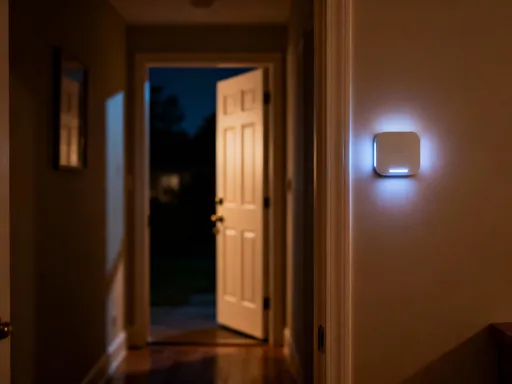
And as my family grows, so can our smart home. When my daughter gets older, we can set up her own lighting routines—‘Homework Mode’ with bright light, ‘Bedtime Mode’ with soft glow. We can link the system to a door sensor so the hallway light turns on when she opens her door at night. It’s not about control. It’s about care, built into the walls.
What started as a simple fix for a fumbling problem has become something deeper. It’s about creating a home that’s not just smart, but kind. A home that helps without being asked, that remembers so I don’t have to, that makes everyday moments a little more beautiful. It’s not about replacing human touch—it’s about making space for more of it. Because when the little things are taken care of, we have more time, more energy, more presence for what really matters. And isn’t that what we all want? A home that doesn’t just shelter us—but truly feels like home.