More than posting: How social platforms helped me stay close when life pulled us apart
You know that ache when someone you love moves away, or life gets so busy you barely connect? I felt it too—until I stopped seeing social platforms as just for scrolling and started using them to truly stay close. It wasn’t about likes or updates. It was shared moments, quiet check-ins, and little digital hugs that made the distance feel smaller. This is how these tools quietly became lifelines in my real life.
The Moment Everything Changed
It was a quiet Tuesday night. I was folding laundry, the TV murmuring in the background, when my phone buzzed. A photo from my sister—her daughter, my niece, blowing out candles at her fifth birthday. I stared at the image, heart sinking. I hadn’t even known it was her birthday. Worse, I hadn’t called. I hadn’t texted. I hadn’t been there. And I wasn’t just absent in person—I’d missed it completely, even in spirit. We used to talk every weekend, but somewhere between school pickups, work deadlines, and bedtime routines, our calls got shorter, then less frequent, until they stopped altogether. Not because we stopped caring. We just… drifted.
That photo hit me like a whisper in a crowded room—soft but impossible to ignore. I realized I’d been treating social media like background noise: something to scroll through while waiting for the kettle to boil or during commercials. A stream of curated perfection—vacations, promotions, spotless kitchens—that made me feel both inspired and strangely lonely. But in that moment, I asked myself: what if I used these platforms differently? What if I stopped seeing them as stages for performance and started seeing them as bridges for connection? Could the same tools that sometimes made me feel disconnected actually help me feel closer?
I didn’t want more content. I wanted more closeness. And I wondered—what if I leaned into the tools I already had, not to impress, but to reach out? To say, “I see you. I’m here.” That night, I didn’t post anything. I didn’t comment. I just sat with the idea. And slowly, something shifted. I began to see social platforms not as distractions, but as quiet opportunities—to listen, to share, to stay present, even when life pulled us in different directions.
From Scrolling to Sharing Real Moments
The next morning, instead of just scrolling past my cousin’s post about missing the mountains, I sent her a voice note. “I saw your post,” I said, my voice a little unsteady at first. “I was walking through the park yesterday and saw this huge oak tree—its leaves were just starting to turn. I thought of you, how you always said trees felt like home. I recorded a little bit of the wind in the branches. Hope it brings you some peace.” I hit send before I could overthink it.
She replied within minutes. Not with a like. Not with a quick emoji. But with a full message: “You have no idea how much I needed that today. I’ve been so overwhelmed at work, and that voice note—it felt like a hug.” We ended up talking for nearly an hour that evening, something we hadn’t done in months. And it started with a 30-second voice clip and a tree.
That small moment taught me something powerful: authenticity travels further than perfection. I stopped waiting for the “right” photo or the “perfect” caption. Instead, I started sharing the in-between moments—the steam rising from my tea, the dog napping in a sunbeam, the funny face my nephew made during a video call. I posted a short video of my morning walk with the caption: “Wish you were here to see this sky.” And guess what? People responded—not just with likes, but with messages. “I needed this today,” one friend wrote. “It reminded me to look up.” Another said, “This is exactly what I miss about our walks.”
These weren’t viral moments. They were quiet, human ones. And that’s what made them matter. I realized social platforms weren’t the problem—they were mirrors. If I used them to compare, I’d feel empty. But if I used them to connect, I felt full. The tools didn’t change. My intention did. And that made all the difference.
Creating Shared Spaces Online
After that, I wanted more than occasional check-ins. I wanted a space where we could just… be. So I created a private group with five of my closest friends—women I’ve known for over a decade, who’ve seen me through breakups, babies, and burnout. We named it “The Porch,” because that’s where we’d always end up during visits—sitting barefoot, sipping iced tea, talking about everything and nothing.
The group wasn’t for announcements or bragging. It was for the messy, real stuff. When one of us had a hard day, she’d post: “Today broke me. Need virtual hugs.” And within minutes, the messages would roll in—not advice, not toxic positivity, but empathy. “Me too.” “I’ve been there.” “You’re not alone.” Someone would send a silly meme that made us all laugh. Another would share a song that helped her through a rough patch. We celebrated tiny wins: a toddler’s first full sentence, a successful work presentation, a kitchen that stayed clean for more than two hours.
Last winter, when my mom was recovering from surgery, I posted a photo of her favorite flowers on her windowsill. “She can’t have visitors yet,” I wrote. “But I brought her these. She smiled.” Within minutes, my friends flooded the chat with messages for her. “Tell her we’re rooting for her!” “She’s so strong.” One even mailed a handwritten card to my mom’s house. That group didn’t fix everything. But it held us. It reminded us we weren’t carrying our burdens alone.
What surprised me most was how natural it felt. We weren’t trying to impress each other. We weren’t curating our lives. We were just showing up—sometimes with words, sometimes with silence, always with care. And in a world that often feels too loud and too fast, that space became our digital sanctuary. It didn’t replace our annual weekend getaway. But it kept our bond alive in between.
Turning Milestones into Meaningful Connections
Birthdays used to slip through the cracks. I’d remember at midnight, send a quick text, and feel guilty for days. Anniversaries, promotions, even tough days like a friend’s divorce finalization—I’d want to reach out, but the moment would pass. I’d tell myself, “I’ll call tomorrow.” But tomorrow rarely came.
Then I started using the calendar and reminder features built into social platforms. I added my closest friends’ and family members’ important dates—not just birthdays, but things like “first chemo appointment,” “daughter’s school play,” or “anniversary of her mom’s passing.” These weren’t just events. They were invitations to care.
Now, when a reminder pops up, I don’t just post on their timeline. I send a private message. For my best friend’s 40th, I created a shared playlist titled “Songs That Remind Me of Us” and sent it with a voice note: “Listening to this made me remember our road trip to the coast, singing at the top of our lungs. You’ve been my person for 25 years. I’m so proud of you.” She called me in tears. “No one’s ever done something like that for me,” she said. “It made me feel so seen.”
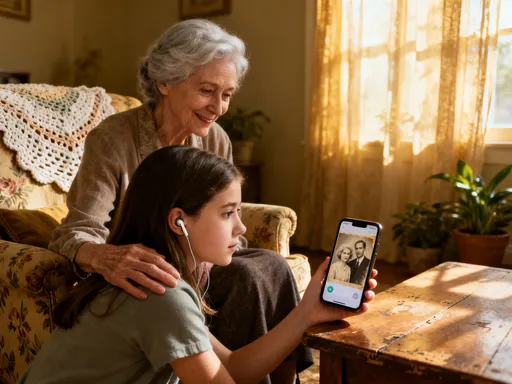
For my dad, who lives three states away, I started a tradition: on his birthday, I post an old photo of us—him holding me as a baby, us fishing at the lake, me walking down the aisle at my wedding—and write a short note about what I love about him. But I also call. And I’ve noticed something: because I’ve already shared something meaningful online, the call feels deeper. It’s not just “Happy birthday.” It’s “Remember this? That meant so much to me.”
These small acts, powered by simple tools, transformed how I show up for people. I’m not just remembering their birthdays. I’m honoring their stories. And in return, I feel more connected, more present, more like I’m really living alongside them—even when we’re miles apart.
Solving the “I Don’t Know How to Reach Out” Problem
We’ve all been there. You think about someone—your college roommate, your sister-in-law, that friend who moved across the country—and you want to reach out. But you hesitate. What if she’s busy? What if it’s been too long? What if she doesn’t remember how close we once were? The longer you wait, the heavier the silence becomes, until reaching out feels like shouting into a void.
Social platforms gave me a gentler way in. A simple reaction to a story—a heart, a laughing emoji—can say, “I saw you. I’m thinking of you.” It’s low-pressure. It doesn’t demand a response. But it breaks the ice. I’ve had friends tell me, “I was having a rough day, and your heart on my story made me feel less alone.”
Or I’ll share an article with a note: “This made me think of our conversation last summer.” No pressure. No expectation. Just a quiet thread, gently tugged. Sometimes, that’s all it takes for a conversation to restart. One friend and I hadn’t spoken in over a year. I saw her post about struggling with sleep, so I sent her a link to a calming meditation app I use, with the note: “No need to reply—just thought this might help.” She wrote back the next day: “You have no idea how much I needed this. And I’ve missed you.” We’ve been talking weekly ever since.
Then there’s co-watching. My niece loves musicals, so every few weeks, we sync up to watch one together while texting in real time. We use a video chat app with screen sharing, and we laugh, cry, and comment on every scene—just like we would if we were on the same couch. It’s not the same as being together. But it’s something. And sometimes, something is enough to keep love alive.
These aren’t grand gestures. They don’t require perfect timing or eloquent words. But they keep the connection warm. They say, “You’re on my mind. You matter to me.” And over time, those small moments build a bridge—one that doesn’t collapse under the weight of silence.
Building Habits That Actually Stick
I’ll admit it: I used to try all sorts of “connection challenges”—call one friend a day, write five thank-you notes a week—but they never lasted. They felt like chores, not care. Then I realized: if I wanted to stay close, I needed habits that felt good, not guilty.
So I started small. Every Sunday morning, with my coffee in hand, I open my favorite messaging app and send one meaningful message—not a group text, not a generic “hope you’re well,” but a personal note to someone who might need it. Sometimes it’s a friend going through a tough time. Sometimes it’s my mom, just to say, “I saw this flower and thought of your garden.” I don’t overthink it. I just listen to my gut and send what feels true.
I also use reminders to check in on my aging parents. Every Thursday, I get a notification: “Call Mom and Dad.” Sometimes we talk for ten minutes. Sometimes for an hour. But the reminder ensures I don’t let weeks slip by. I’ve started sharing photos from my daily walks—“Look at this sunset!”—and asking them about theirs. It’s not just about staying in touch. It’s about weaving their lives into mine, even when we’re apart.
With my nieces, I started a music thread. Every time I hear a song they might like, I send it with a note: “This made me think of your playlist!” They’ve started sending me songs too. Last week, my youngest niece sent me Lizzo’s “Good as Hell” with “You need this today, Auntie!” We laughed, we danced (in our separate homes), and I felt like I was right there with her.
These habits didn’t transform my life overnight. But over time, they became rituals—small, joyful acts of love powered by technology. They didn’t feel like obligations. They felt like gifts—to them, and to me.
The Quiet Power of Showing Up, Digitally
Let’s be honest: social platforms get a bad rap. We hear about comparison, burnout, misinformation. And yes, they can be overwhelming. But I’ve learned that the tool isn’t the problem—the way we use it is. When I scroll mindlessly, I feel drained. But when I use these platforms with intention—to listen, to share, to care—I feel more connected than ever.
They don’t replace real life. Nothing does. I still crave hugs, face-to-face laughter, the comfort of silence shared with someone who knows me deeply. But between those moments—the long stretches of busy days and distant miles—these digital tools help me say what matters most: “I’m here. I see you. You’re not alone.”
And sometimes, that’s enough. A voice note. A shared photo. A heart on a story. These tiny acts of digital presence add up. They build trust. They nurture love. They keep the thread alive, even when life pulls us apart.
I used to think staying close required grand gestures or perfect timing. Now I know it’s the small, consistent things that matter. It’s choosing to show up—not perfectly, not loudly, but quietly, steadily, with love. And if that means using a social platform to send a little light across the miles, I’ll keep doing it. Because connection isn’t about distance. It’s about intention. And when we use technology to care, we don’t just stay close—we grow closer.